
Articles
Risks Associated with Cattle Handling
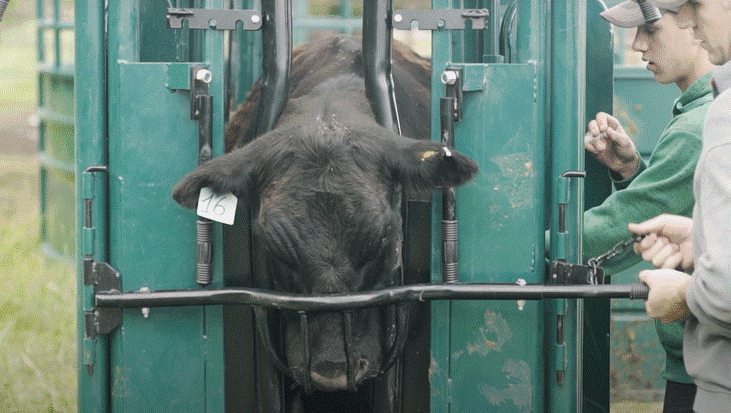
Risks Associated with Cattle Handling
Safe, efficient cattle handling is the foundation of any successful ranching operation. Whether you’re managing a large herd or a small family farm, handling cattle with care and confidence can make all the difference—for your animals, your safety, and your bottom line. The purpose of this guide is to walk you through essential tips for safe cattle handling and help YOU mitigate RISK.
The First Step to Safer Handling – Understanding Cattle Behavior
Before stepping into the pen, it’s important to understand your animals. Cattle think for themselves, outweigh you by a mile, and can move quicker than you’d ever expect. A study focusing on Colorado’s agricultural sector found that nearly 36% of high-severity injury claims (requiring 28 or more days of disability) among farmers were related to livestock handling.
At the core of cattle handling is the concept of the flight zone—an invisible bubble of personal space. Step into it the right way, and you can guide your animals with minimal stress. Step into it the wrong way, things could get ugly fast. That zone varies by animal, but reading it right helps avoid chaos and more importantly, injury.
Cattle also respond to pressure zones and the point of balance (usually at the shoulder). Approach slowly and from the side to encourage movement. Calm, quiet handling keeps stress levels low and animals more cooperative.
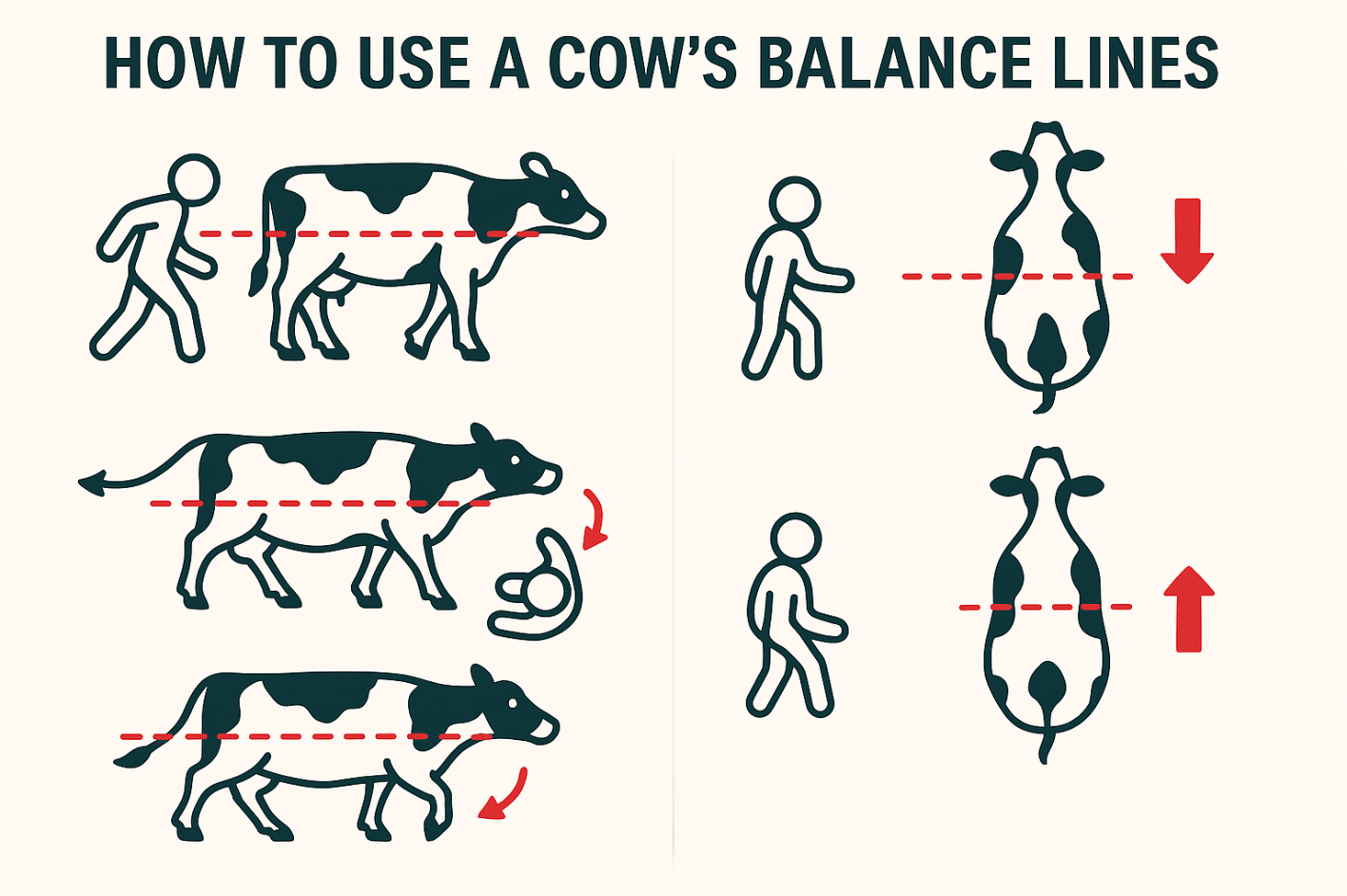
How to Use a Cow’s Balance Lines
Cattle move based on where you are. They have two balance lines:
- One across the shoulders
- One down the backbone
Here’s how it works:
- If you walk forward beside the cow → it moves backward
- If you move backward → it moves forward
- If you stand in front and move to your left → it moves to your right
What is a Cow Flight Zone?
The flight zone is like the invisible fence around a cow—get too close and she’ll move away. It’s a core principle of low-stress cattle handling. Nervous or wild cattle have bigger zones, while calm or handled cattle have smaller ones.
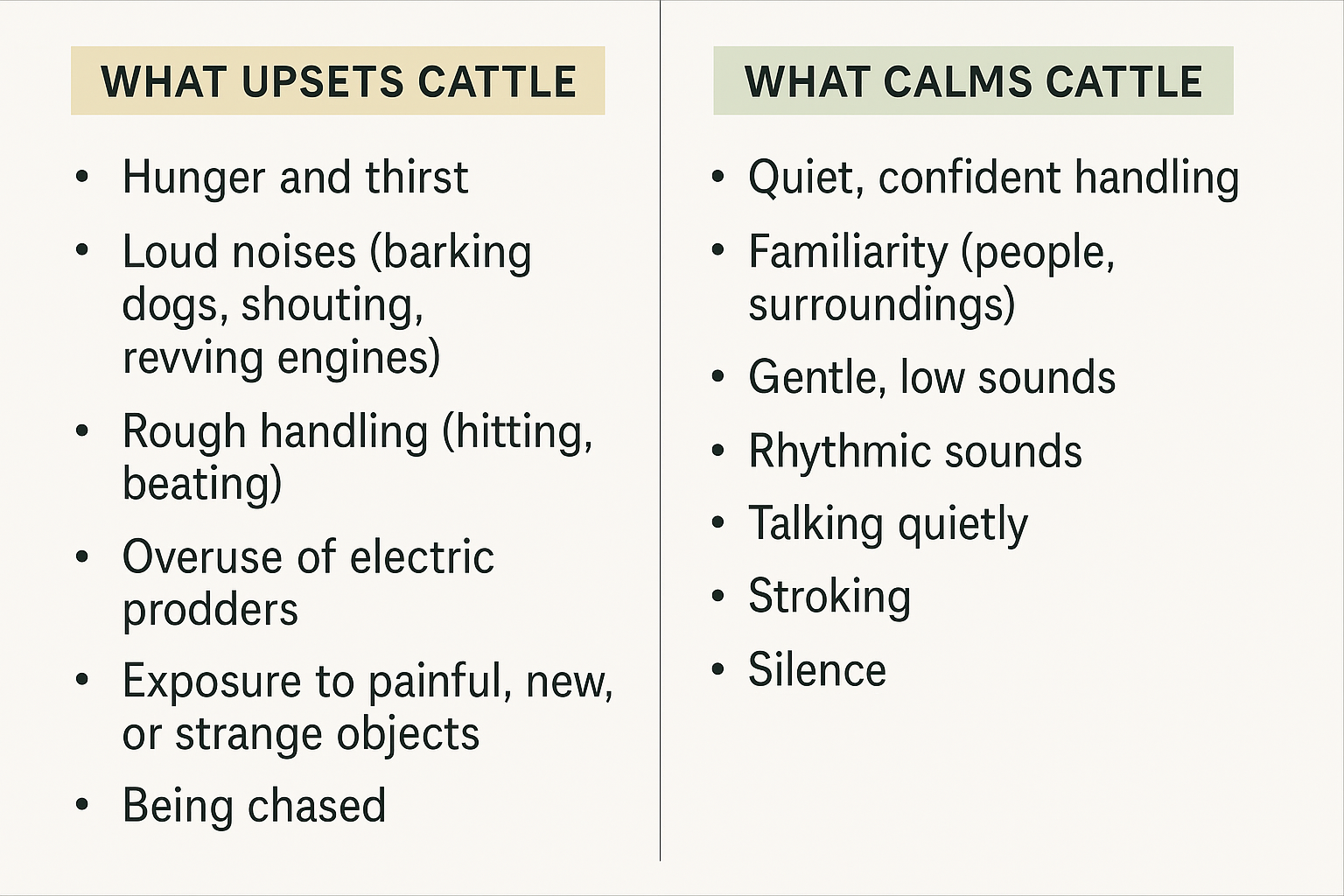
Approaching cattle from outside their flight zone lets you work with them, not against them. Enter at an angle, stay behind the point of balance, and you’ll have a better time guiding movement without pushing too hard.
Now, how can you make sure you’re keeping things as smooth as possible? By having the proper setup. Tools like a cattle crowding tub or cattle squeeze chute work in harmony with the flight zone to reduce stress and make jobs safer for everyone.
How to Use Pressure Zones for Smoother Movement
Mastering pressure and release is a game-changer. When you step into a cow’s flight zone, you apply pressure—step back, and you release it. Timing this just right keeps cattle moving calmly without force.
Here’s how to make it work on the ground:
Key Techniques:
- Zig-Zag Motion: Approach at a slight angle and zig-zag from side to side. This keeps cattle moving in a straight line without crowding.
- Point of Balance: Generally at the shoulder—cross it from behind to move the animal forward.
- Steady & Calm: Keep your energy low and movements predictable. Cattle mirror your mood.
Bulls: Handle with Caution
Ah yes, the notorious bull question. Bulls are one of the biggest risks on the farm. Every year, people are seriously injured—or worse. Why? They underestimate them.
- A bull can hurt or kill you whether it’s playful or angry.
- Older bulls = more dangerous. The bigger and more experienced they get, the less you can trust them.
- Never trust a bull, especially one raised in solitude.
- Never turn your back on a bull—ever.
Smart Handling Tips:
- Never handle a bull alone, especially if you’re injured or not as quick on your feet.
- Use proper facilities that let you manage bulls without direct contact whenever possible.
- If a bull corners you, shout and hit its nose with a sorting stick/paddle to block its vision—and get out fast.
- If someone’s hurt, make noise, use your paddle, and get help—don’t risk yourself.
Safer Strategies:
- Use a tractor, not a quad or bike, when dealing with bulls in a paddock.
- Fence bull paddocks securely, and don’t keep bulls where kids or the public might access them.
- Choose bulls that produce calm offspring.
- And finally—don’t sell aggressive bulls. Send them to slaughter. It’s the responsible thing to do.
What is a paddle?
A paddle or sorting stick is a short, heavy wooden stick or club. It’s typically used to defend yourself in dangerous situations—not to hurt the animal, but to distract or deter it, often by striking the bull on the nose to make it close its eyes and back off, giving you a chance to escape.
Pro Tips for Effective Cow Handling
- Map Your System: Plan your flow. Curved paths and solid barriers make cattle feel safer—and that means they move easier.
- Educate Your Crew: Everyone should understand flight zones, pressure points, and how to handle animals calmly.
- Don’t Overpack: Overcrowding causes panic. Give them space to move.
- Be Aware: Keep an eye on cattle body language and your surroundings. Communication is key.
Essential Equipment for Safe Cattle Handling
Having the right tools means less stress for your livestock and fewer headaches for you.
The workhorse of cattle control. A solid cattle squeeze chute makes things like vaccinations, branding, and sorting a lot safer and more efficient.
A good crowding tub takes the chaos out of moving animals into alleys or chutes. Let the equipment do the nudging while you guide calmly.
Proper cattle loading chutes with non-slip surfaces and solid sides help get livestock onto trailers safely and without fuss. Check out Lakeland’s
Reliable fencing keeps your system running smoothly. With adjustable setups, you can shape your space to fit your herd and your needs.
Final Word: Gear Yourself up for Success
Cattle handling isn’t just a chore it’s the heartbeat of your operation. When you understand your herd, respect their flight zones, and move with purpose, you create a safer, calmer environment for both animals and handlers. But knowledge alone won’t carry the load. The right tools like a dependable cattle squeeze chute, a smooth-moving crowding tub, or a well-built loading chute are what take your skills to the next level. They’re not just equipment, they’re your daily partners in the pen. Invest in gear that matches your grit, and you’ll not only work smarter – you’ll work safer, faster, and with peace of mind. When the tools work right, everything else falls into place.
Build a system that works for your farm and keeps your cattle and you, safe & moving in the right direction.
Additional information & resources to check out:
1. Canadian Cattle Association., Cattle Handling. https://www.cattle.ca/resources/producer-resources/animal-care/cattle-handling
2. University of Kentucky., Moving Dairy Cows the Correct Way. https://afs.ca.uky.edu/files/good_dairy_stockmanship.pdf
3. The Purebred Dexter Cattle Association of North America., Understanding Cattle Behavior. https://www.dexterstoday.com/post/understanding-cattle-behavior-movement
-
We Do the Right Thing-Always.
Honesty and integrity guide every decision we make, from supporting customers to caring for livestock. -
We Own Our Mistakes and Learn From Them.
Humility keeps us accountable, grounded, and committed to continuous improvement. -
We Ask "Why Not?"
Innovation and curiosity drive us to find better ways to serve farmers and ranchers. -
Premium Products. Premium Service. Delivered Direct.
We offer FREE shipping on order over $2000 & stand behind quality equipment and exceptional support from start to finish. -
Making Life Easier for Farmers & Ranchers.
Everything we do is focused on helping producers work smarter and more efficiently.
WE’RE LISTENING. Your questions help us create the videos and resources that make the biggest difference on your operation.

 Comment
 Shop This Setup
 Share
Share
COMMENTS (0)
Log in to join the conversation.
Loading comments…